
How to make portable
power work for your day.
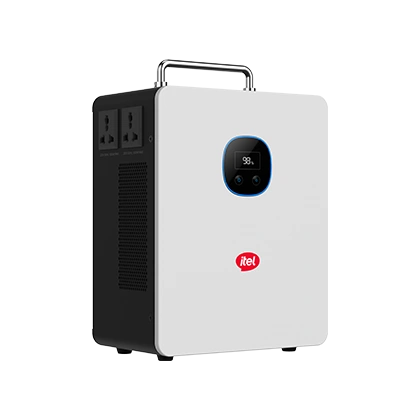
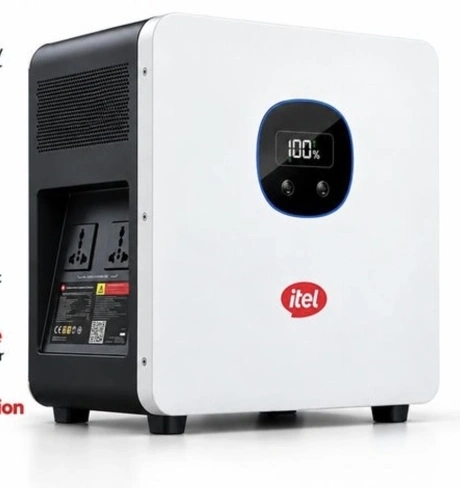
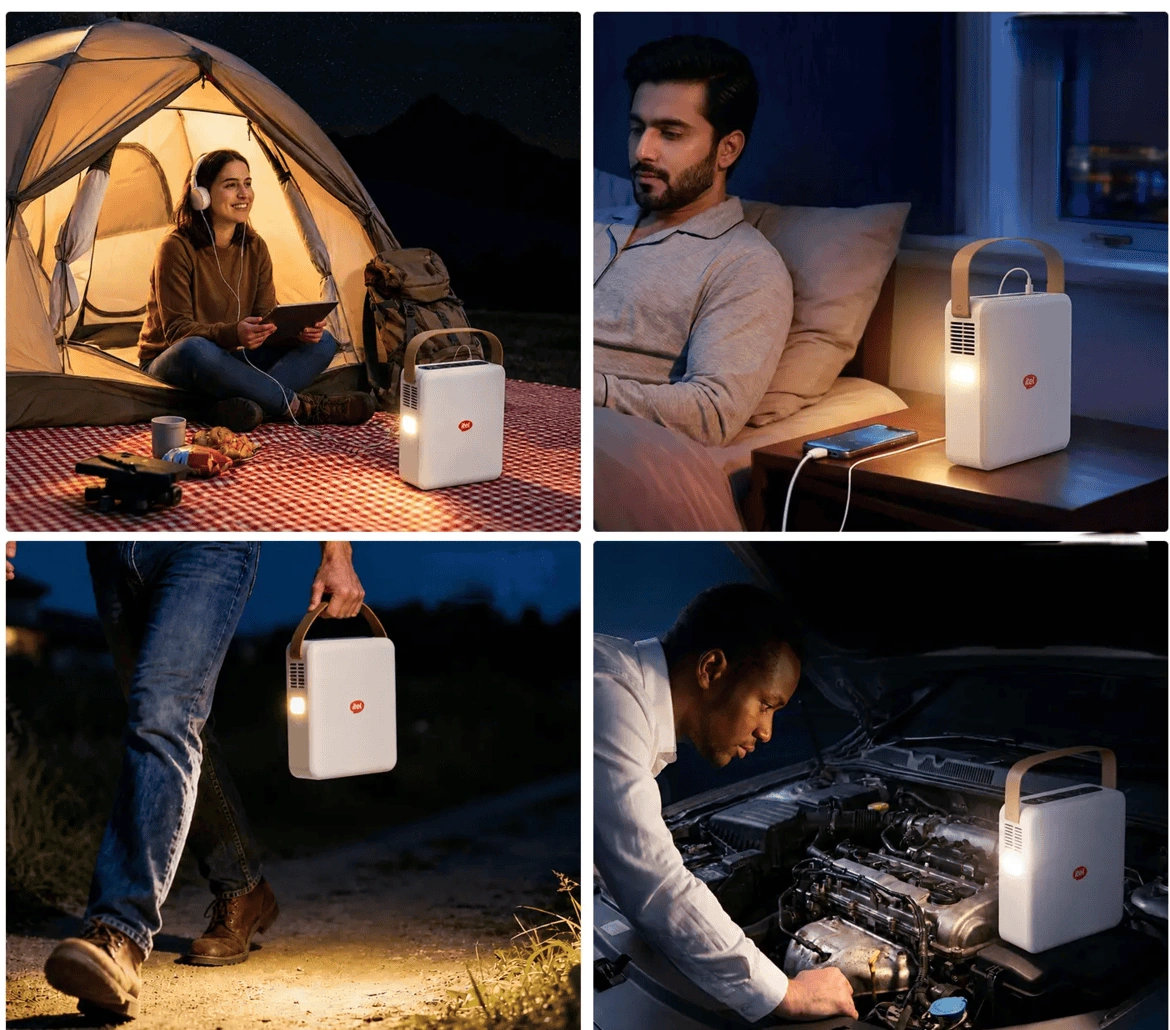
Buying a power station is easier when you begin with an ordinary day rather than a list of every appliance in the house. Think about what you want to keep going during a short interruption: finishing a document, keeping a phone charged, watching a programme or having useful light nearby. Power Go Pro is a compact choice for that kind of carefully planned backup.
Understand the energy you are buying
The battery’s 320Wh rating describes stored energy. The 200W AC rating describes the maximum power available through the AC connection. These figures answer different questions. A station can have enough stored energy for a long light-load session while still being unsuitable for a high-powered appliance.
The 100,000mAh number on the packaging is a battery-capacity figure at the pack’s reference voltage. It does not mean you receive 100,000mAh at every output voltage, or a fixed number of phone charges. Watt-hours make a more useful starting point for comparing stored energy and planning runtime.
Build a short list of useful devices
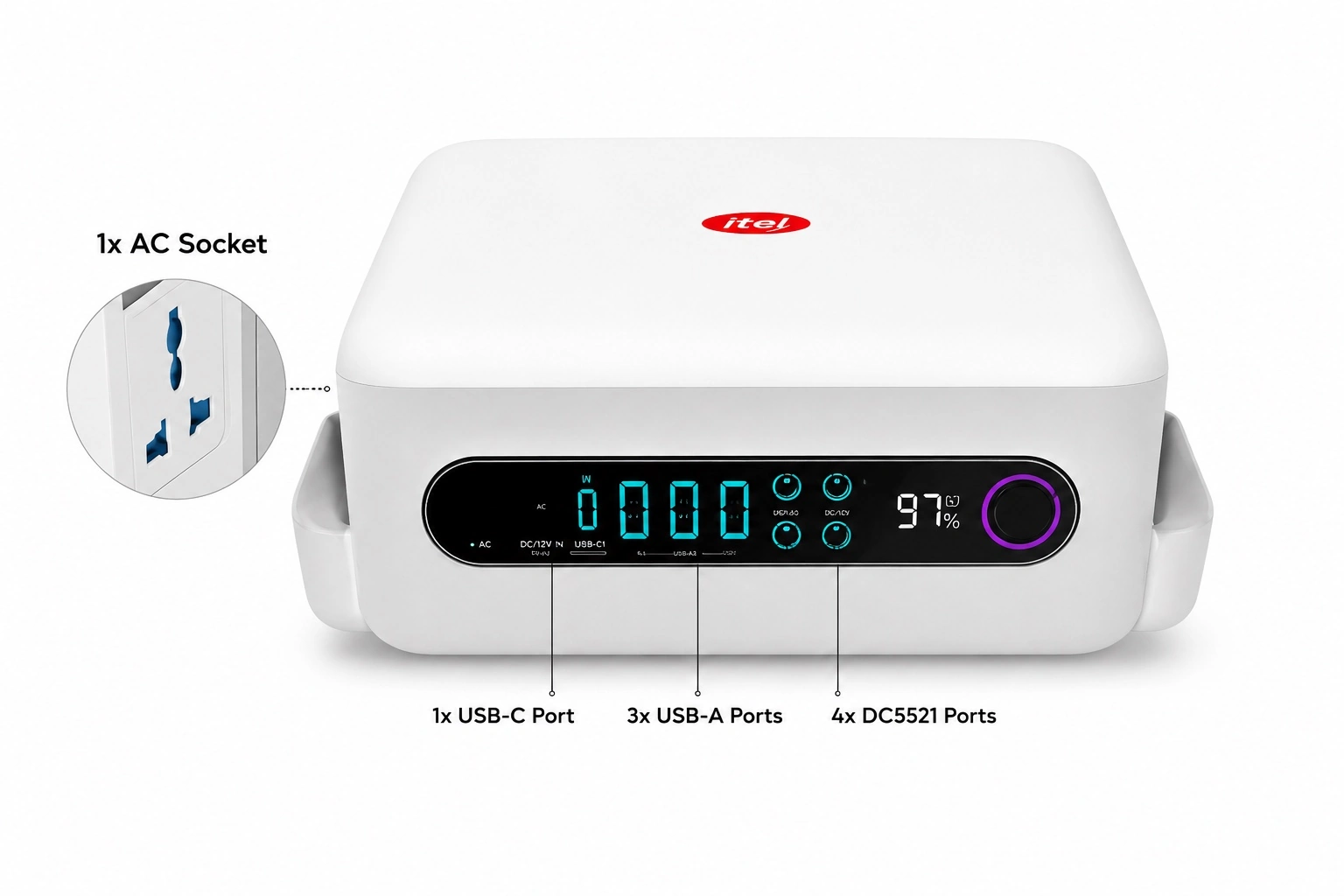
Write down the devices you want to use, their connection type and their power requirement. A laptop may work through a compatible USB-C connection or its normal adapter. A router may need a particular DC voltage, plug size and polarity. A television requires its own wattage check. Choose the connection that matches the device rather than forcing everything through the same socket.
Decide which devices must run together and which can be charged at different times. Prioritising one work task or a simple evening setup can make a small battery more useful than connecting everything at once. Leave room within the output limits, especially if any device changes its power demand while working.
Make runtime a planning tool
A device does not necessarily draw the maximum number printed on its charger throughout the day. A laptop’s use changes with workload and charging state; a television varies with its settings; a fan varies with speed. The calculator above gives you a starting point for a steady load, while your actual routine determines the result.
Use the estimate to compare choices: fewer devices at once, a lighter load or shorter sessions. It is more useful to know how your setup changes the battery time than to rely on a single headline number. Recharge before an important task and monitor the display as you use the station.
Choose a charging routine you can maintain
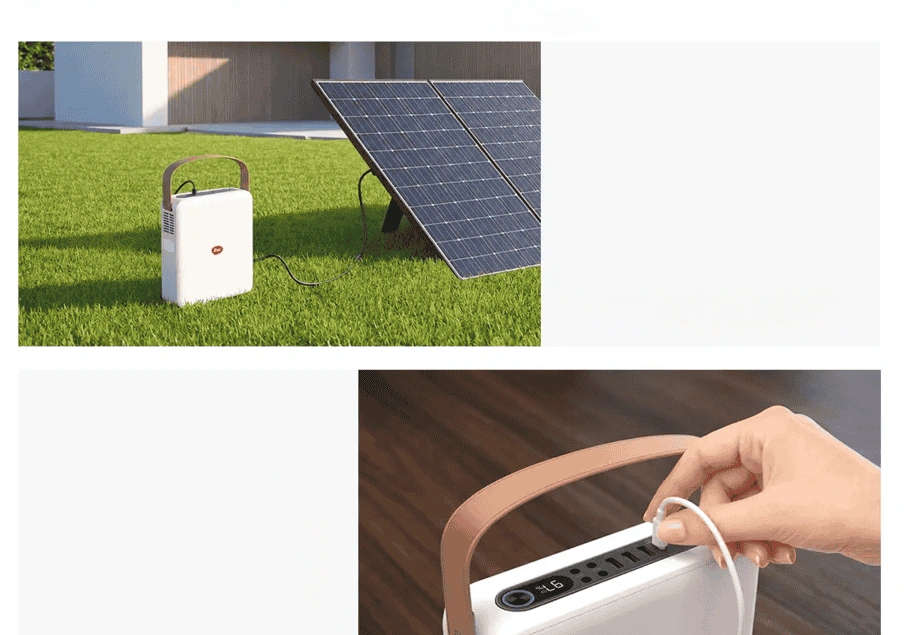
A portable station works best when you have a reliable opportunity to recharge it. If grid electricity is available at part of the day, make that your top-up window. For a trip, charge before leaving. If you want solar, plan a suitable panel location and cable route, then confirm the electrical match before buying accessories.
The input and output ratings are different: the 200W AC output does not make the station a 200W solar charger. Use the supported charging limit and connections for this exact model. Keep the manual and supplied charging equipment together so moving the unit does not turn into a search for the right cable.
Know when to choose a larger station
If your device list needs substantially more stored energy, exceeds the AC output or includes demanding motor-driven equipment, look at a larger Power Tank on its own product page. The practical choice is the unit that fits your verified load and recharge routine. Power Go Pro is appealing when compact size, easy carrying and modest everyday backup are your priorities.
At BetaDeal, Power Go Pro costs ₦145,000 per unit. Send Mr. Olamide your device list and delivery location to discuss your order. We will confirm availability, delivery and the supplied accessories before you pay.
Order your Power Go Pro ↗